

four principles of finding happiness : ค้นหาหนังสือธรรมะ หน้า 5 / 93
หน้าหนังสือทั้งหมด

34
อริยสัจ 4 หรือ The Four Noble Truths
Dhamma TIME
คำศัพท์ภาษาอังกฤษที่รู้
ตอน อริยสัจ 4 หรือ The Four noble Truths
welcome to I like English รายการที่จะทำให้คุณชอบภาษาอังกฤษมากขึ้น
โดย นันทนัศภ์ ภาวนาภรณ์ (ชิน) & Aj. Sebastian Copija
ในรายการ I like English นันทนัศภ์ ภาวนาภรณ์ (ชิน) และ Aj. Sebastian Copija นำเสนอหัวข้ออริยสัจ 4 หรือ The Four Noble Truths ที่เป็นความจริงอันประเสริฐ 4 ประการซึ่งพระสัมมาสัมพุทธเจ้าเข้าใจในระหว่างการ

69
Success of Moral Training Projects: Dhammadayada Program
ASE HISTORY OF THE SUCCESS OF MORAL TRAINING PROJECTS
The Dnammadayada (Dhamma Inheritors) Training Programme has been conducted for twenty-seven years since the beginning of the Dhammikaya Foundatio
The Dhammadayada Training Programme has operated for twenty-seven years, focusing on hands-on Buddhist practice for students. In 1996, the program was scientifically assessed, revealing that participa

65
หลักการแห่งความเท่าเทียมกัน
the moral codes within Buddhism is quite
different from those within other religions.
(คิดว่าเหมือนครับ แต่การบัญญัติสิกขาบทในพระ
พุทธศาสนาแตกต่างกับศาสนาอื่นมากทีเดียว)
This is because within some re
the moral codes within Buddhism is quite different from those within other religions. (คิดว่าเหมือนครับ แต่การบัญญัติสิกขาบทในพระ พุทธศาสนาแตกต่างกับศาสนาอื่นมากทีเดียว) This is because within some re
34
Understanding the Three Characteristics of Existence
When we receive fortune, prestige, recognition or happiness,
our minds will remain calm, not overwhelmed or attached.
A person who is aware of suffering and happiness has
trained the mind to be as s
This text discusses the importance of understanding the Three Characteristics of existence: Impermanence, Suffering, and Non-self. It emphasizes that fortune, prestige, and happiness are temporary and

8
ความมั่งคั่งในพุทธศาสนา
-
Contrary to popular opinion, the Buddha never prohibited
wealth but he did prohibit poverty. Happiness appropriate
to a householder (A.ii.69) includes ownership [atthisukha],
enjoyment [bhogasukha],
- Contrary to popular opinion, the Buddha never prohibited wealth but he did prohibit poverty. Happiness appropriate to a householder (A.ii.69) includes ownership [atthisukha], enjoyment [bhogasukha],

34
เศรษฐศาสตร์จุลภาคพุทธสำหรับชีวิตหลังความตาย
4
Buddhist Microeconomics
for the Hereafter
"If only beings knew. . . the result of
giving and sharing, they would not eat
without having given nor would they al-
low the stain of stinginess to obsess
Buddhist Microeconomics for the Hereafter "If only beings knew. . . the result of giving and sharing, they would not eat without having given nor would they al- low the stain of stinginess to obsess t

29
Accepting Change in Marriage and Happiness
Accepting Change
Many people realize that once they are married,
marriage is not what they imagined it to be. Their
expectations may have been influenced by idealistic
love stories from movies and tel
The text discusses the reality of marriage and love, contrasting idealistic expectations with the truth of change and impermanence. It highlights that true happiness must come from within rather than
35
Buddhist View on Sex
Buddhist View on Sex
Luang Phaw: One thing you have to bear in mind is that before
leading a life in priesthood, all Buddhist monks were
once ordinary laypeople. But they consider the life of
laypeopl
The Buddha's teachings emphasize that before becoming monks, individuals are ordinary laypeople burdened by life's responsibilities. Laypeople often pursue temporary pleasures, such as sensual gratifi
222
Journey to Joy: The Benefits of Dhammakaya Meditation
Journey to Joy
222
All that I am speaking of are the results
after I started to practise meditation. These
are the benefits that I gained, since practising
Dhammakaya meditation. For me, the practice
In 'Journey to Joy', the author shares personal insights gained from practicing Dhammakaya meditation, highlighting its dual benefits of happiness and wisdom. Meditation fosters a profound sense of ha
229
The Journey to Inner Happiness through Meditation
Wisdom
sphere provided warmth, safety and peace. If
I kept my mind focused on each crystal ball, I
could feel the happiness increasing in my body.
It was as if an invisible “happiness cloak” had
been
In this enlightening text, the author shares a personal meditation experience involving crystal balls that symbolize warmth and joy. As the author meditates, they describe feeling an 'invisible happin
235
The Pursuit of True Happiness
Wisdom
Even after they have obtained these things, they
are still unhappy. Therefore, they start searching
for other things or other people that can give
them happiness. It is as if they are chasing a
บทความนี้สำรวจแนวคิดเกี่ยวกับความสุขที่แท้จริงที่ได้จากการทำสมาธิและการทำดีเพื่อผู้อื่น ผู้เขียนเชื่อว่าความสุขไม่สามารถไล่ตามหรือซื้อหาได้ และทุกคนไม่ว่าจะมาจากพื้นฐานการศึกษาหรือฐานะทางการเงินใดมีสิ

223
The Power of Pure Meditation for Global Peace
Let your mind connect with all beings. Let them only have happiness. Let all countries in the world prosper and be full of good people who work for true happiness and peace for all persons. Let the po
This text emphasizes the importance of connecting with all beings and the role of meditation in spreading happiness and compassion. It advocates for a world where love prevails over exploitation and d
23
The Body of Enlightenment: A Path to True Happiness
source of prosperity of all that is good.
Once attained, the Body of Enlightenment will lead us to true happiness. Our minds will be overflowing with so much happiness and positive energy that one wi
The Body of Enlightenment leads to true happiness, characterized by inner joy independent of material possessions. Once attained, it promotes justice, righteousness, and unity among all people. In ach
74
Understanding Dhammakāya and Enlightenment
the function of each particular transcendent dhamma.116 The totality of transcendental qualities constituting each transcendental state, which is identified earlier with dhammakāya, denotes a degree o
This text analyses the concept of dhammakāya, highlighting its connection to enlightenment and the associated happiness. It emphasizes the blameless nature of dhammakāya and notes Gotami's insights in

154
การเตรียมตัวรับความทุกข์
"Even though we may dislike difficulties and welcome
happiness, there is no way to avoid suffering in our lives
because life is a mixture of suffering and happiness. Instead,
we should prepare for the
"Even though we may dislike difficulties and welcome happiness, there is no way to avoid suffering in our lives because life is a mixture of suffering and happiness. Instead, we should prepare for the

55
เศรษฐศาสตร์พุทธ
2. What practice brings man supreme happiness? The
Buddha replied that the practice of virtue [dhamma]
can bring us real happiness. Our modern neglect of
virtue and good character are relatively recen
2. What practice brings man supreme happiness? The Buddha replied that the practice of virtue [dhamma] can bring us real happiness. Our modern neglect of virtue and good character are relatively recen
25
The Four Problems in Marriage
Part One: Family Life
These are: Truthfulness (Sacca), Self-Control (Dama),
Endurance (Khanti), and Sacrifice (Caga). When lacking in
any of these principles, conflict or discord will arise in any
hum
Part One: Family Life highlights four essential principles for maintaining healthy relationships: Truthfulness (Sacca), Self-Control (Dama), Endurance (Khanti), and Sacrifice (Caga). Conflict within f
193
Sourced Teachings and Dhamma Practices
Part Seven: Appendixes
Sourced Teachings
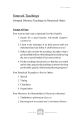
Grouped Dhamma Teachings in Numerical Order:
Groups of Four:
Four Actions that Lead to Spiritual Growth (Vuddhi):
1. Search for a good teacher; role-model (Sap
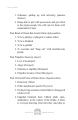
In this section, we outline essential Dhamma teachings that guide spiritual growth and ethical living. The four actions leading to spiritual advancement include searching for good teachers, deeply lis
194
Exploring Tolerance and Benevolence in Daily Life
Part Seven: Appendixes
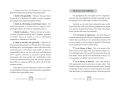
3. Tolerance; putting up with adversity; patience
(Khanti)
4. Being able to part with possessions and give them
to the proper people who will care for them well;
renunciation (C
In this section, we delve into the virtues of tolerance and benevolence, such as patience (Khanti) and renunciation (Cāga). The text highlights four detrimental paths leading to ruin, including indulg
24
Dhamma for Laypersons and the Four Levels of Beauty
A person who has the Dhamma for Laypersons
(Gharāvās-dhamma) must display four regular habits:
1. Habit of Responsibility – Whatever the task at hand, he must do it to the best of his ability, in t
A person who follows the Dhamma for Laypersons exhibits four habits: responsibility, self-training, endurance, and sacrifice. These traits ensure self-reliance and leadership within families. In marri